Most lawn care advice is either too vague to act on or technical enough to require a degree in turfgrass science to parse — and neither is useful when you're standing in a garden centre trying to figure out which fertilizer to buy. This guide sits in the middle: practical, specific to Ontario's climate, and organized around the tools and program that produce consistent results without turning lawn care into a second job.
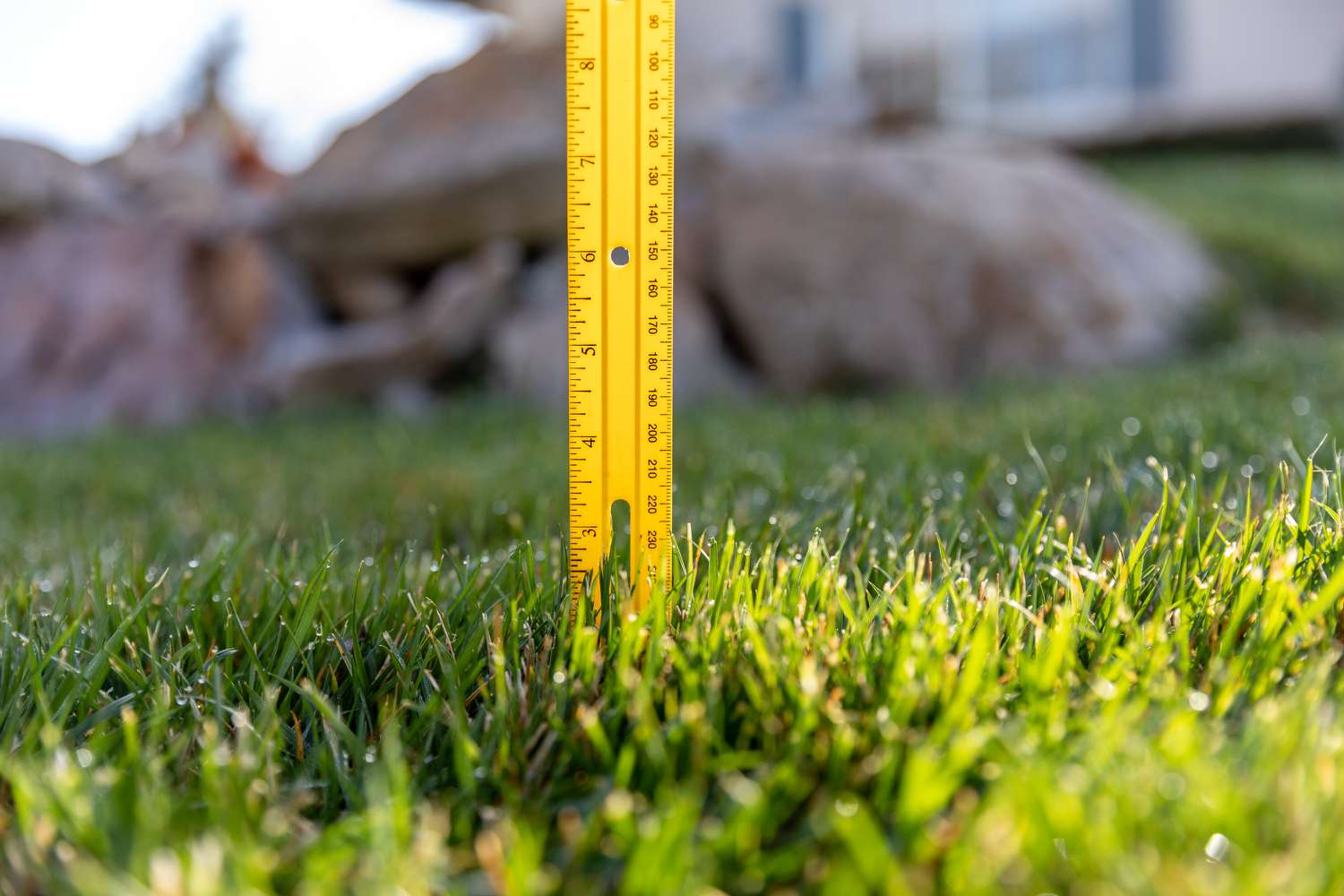
Mow at 3–3.5 inches. Fertilize in spring and fall. Core aerate and overseed in fall. Water deeply, not daily. That's 90% of what separates a great Ontario lawn from a mediocre one. The tools and tips below exist to execute that program well.
Essential Lawn Care Tools for Ontario Homeowners
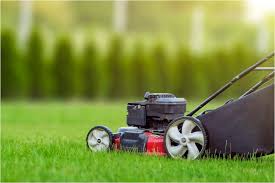
Rotary Lawn Mower
The primary tool. For most Ontario residential lawns (under 600 m²), a mid-range walk-behind mower with a 21-inch deck is adequate. Self-propelled drive makes a meaningful difference on uneven terrain or slight slopes. The most important specification isn't the brand — it's whether the blade height is adjustable to 3.5 to 4 inches, and whether the deck is easy to clean (clippings under a dirty deck rot and cause corrosion).
Steel decks are more durable; polymer decks are lighter and rust-proof. Either works. What matters more is regular blade maintenance — sharpen at least twice per season.
String Trimmer (Line Trimmer)
Essential for edging along fences, tree bases, and other areas the mower can't reach. A curved-shaft trimmer is fine for most homeowners. Straight-shaft trimmers offer more reach and durability for larger properties. Battery-powered models have largely caught up to gas performance for residential use and are easier to maintain. Keep spare line on hand — running out mid-task and reassembling a nearly empty spool is annoying.
Rotary Edger or Half-Moon Edger
String trimmers held vertically can edge along hard surfaces, but a dedicated rotary edger (wheeled, with a vertical blade) produces cleaner, straighter lines along driveways and sidewalks. A half-moon edger is the right tool for cutting clean bed edges in soil — it creates a defined trench that separates the lawn from garden beds more effectively than any mechanical tool.
Core Aerator
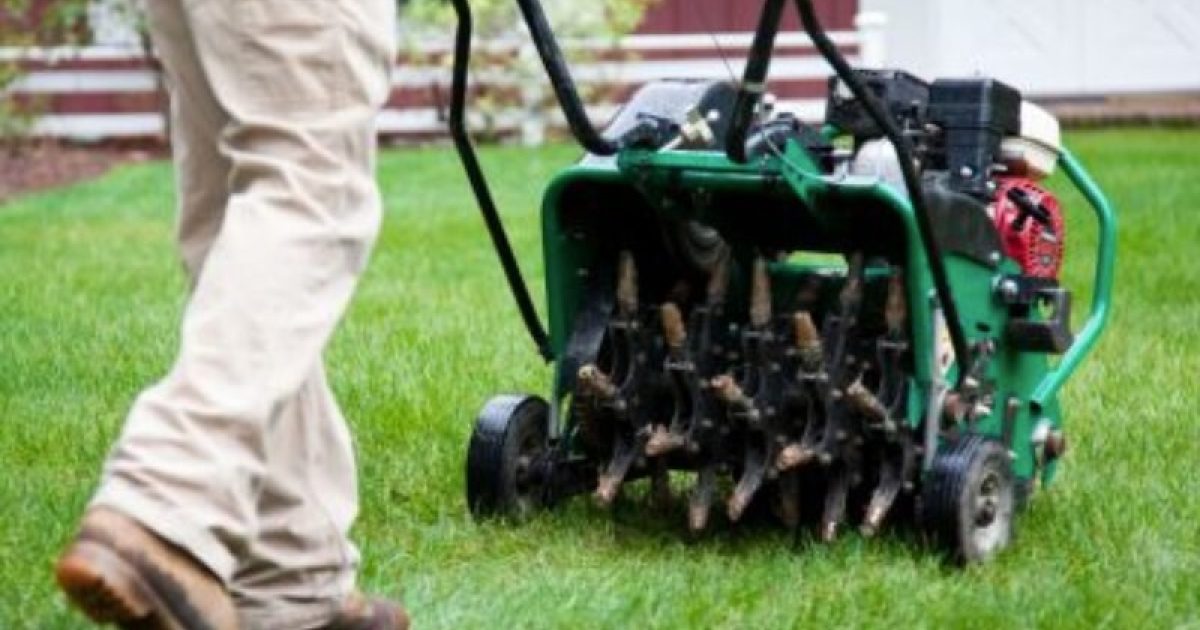
A core aerator is the tool that most Ontario homeowners either don't own or use incorrectly. Rental is the practical approach for most — a 40-minute pass in September once or twice a year is all that's needed. The key is using a core (hollow tine) aerator, not a spike aerator. Spike aerators push soil aside, compacting the surrounding area. Core aerators remove plugs, genuinely relieving compaction. Don't waste money on spike attachment mats or spike sandals — they're counterproductive.
One critical distinction before moving on: aerating and dethatching are not the same thing, and confusing them wastes a full season. Aeration reduces soil compaction by pulling plugs of soil out of the ground. Dethatching removes the layer of dead organic matter sitting on top of the soil. Some lawns need one. Some need both. Doing the wrong one first doesn't fix anything — and by the time you realize it, the growing season is over.
A client in Richmond Hill hired us to aerate after years of struggling to grow grass. When we pulled the first plugs, they were almost entirely thatch — barely any soil. They'd been watering and fertilizing a 4-inch mat of dead organic matter for three years straight. After we dethatched and overseeded, the lawn was unrecognizable by the following fall. The core aerator revealed what years of surface treatment couldn't fix.
Broadcast Spreader (Walk-Behind)
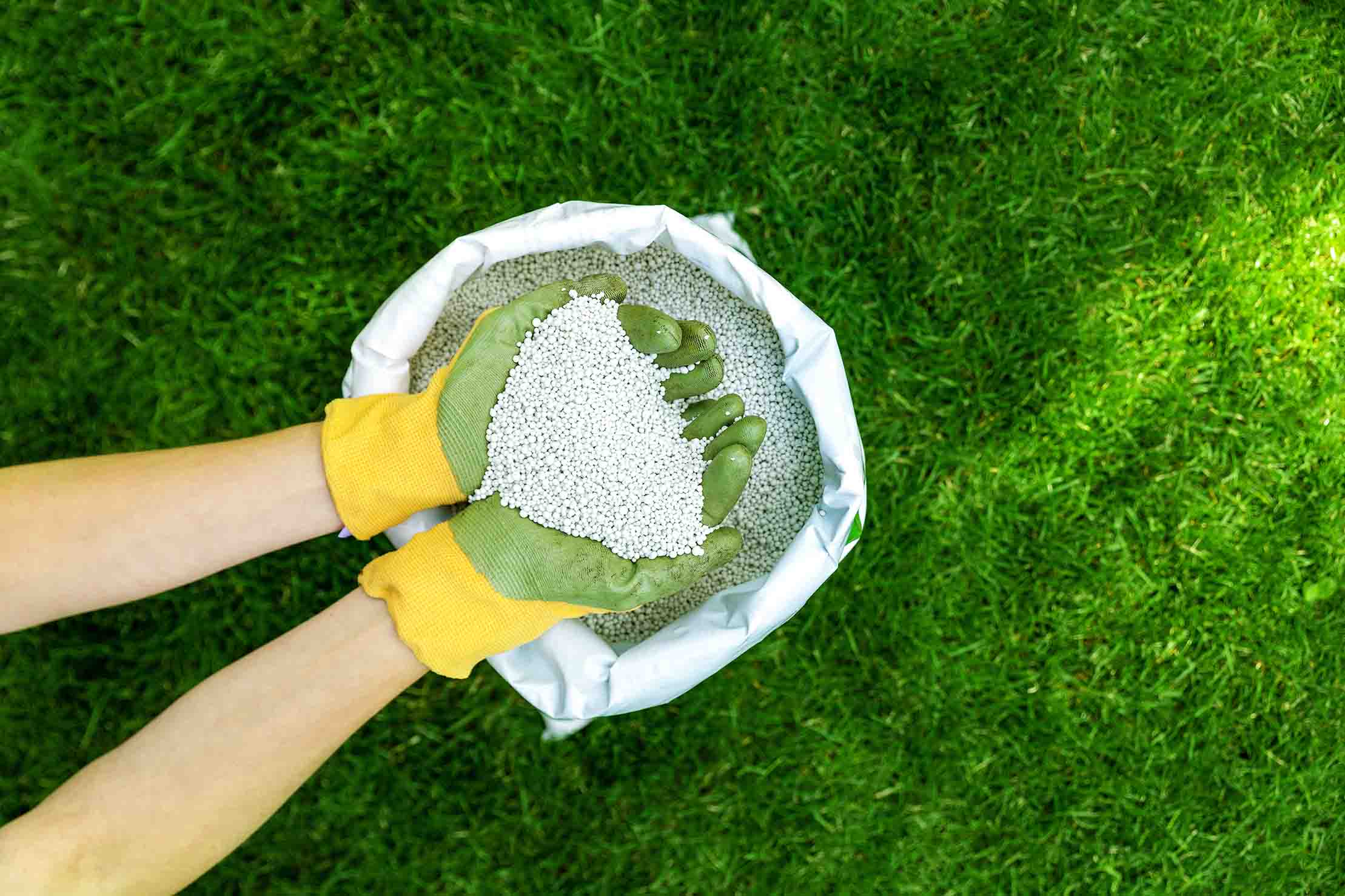
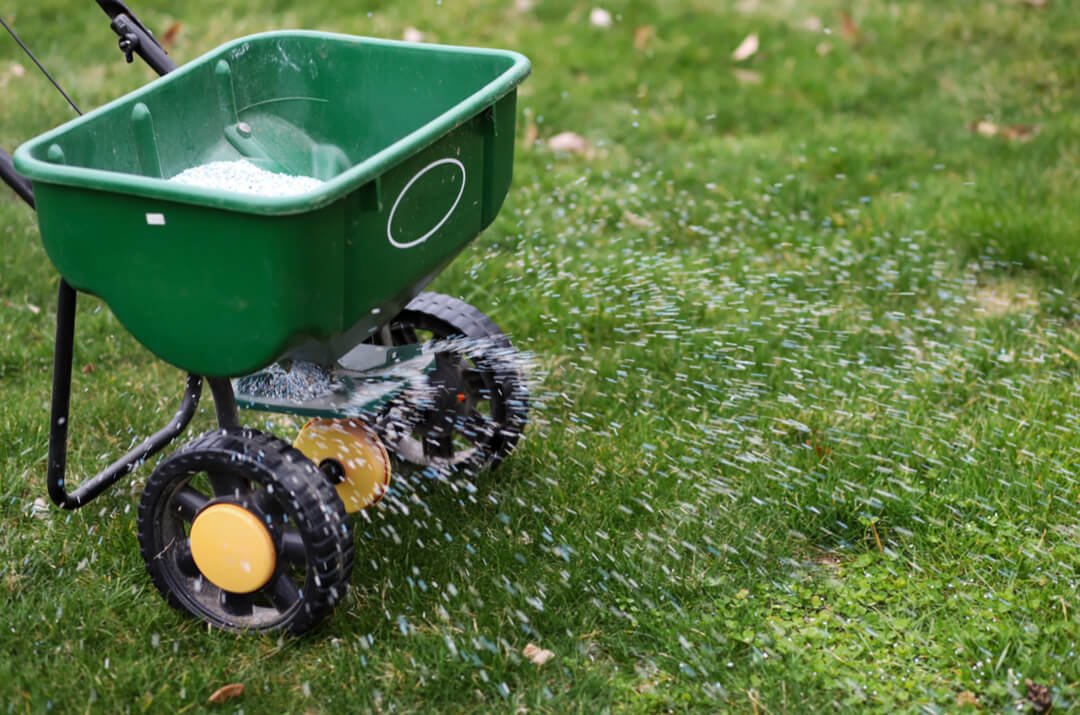
Used for fertilizer, seed, and lime applications. A walk-behind broadcast spreader with a 40–60 cm spread width is the right size for most Ontario residential lawns. Set the spread rate according to the product label and calibrate the spreader before using a new product — under-applying wastes product over multiple seasons; over-applying burns or over-stimulates growth. Drop spreaders are more precise but slower and require careful overlap management.
Soil Thermometer
Underrated. Knowing soil temperature tells you whether fertilizer applications will actually be absorbed (above 10°C for nitrogen uptake), whether grass seed will germinate (above 10°C for cool-season grasses), and whether to defer spring activities. A $15 compost/soil thermometer from a garden centre is enough.
Garden Hose with Quality Adjustable Nozzle
For watering newly seeded areas, spot watering, and washing down fertilizer after application on dry days. An adjustable nozzle with a fine mist setting and a jet setting is more versatile than a basic fixed nozzle. Soaker hoses or drip systems are useful for garden beds but not practical for lawn irrigation at the scale most Ontario lawns require.
Building a Lawn Care Program That Works
A lawn care program is just a calendar of the right actions at the right times. The mistake most homeowners make isn't ignorance of what to do — it's doing the right things at the wrong time. Aerating in spring instead of fall, fertilizing in summer heat, overseeding at the wrong soil temperature. Timing matters more than product selection.
The Annual Program Structure
- Late April / Early May: Spring fertilizer (slow-release, higher N). First mows at 3–3.5 inches.
- May–June: Mow weekly; monitor for pest and disease pressure; no additional fertilizer unless lawn shows visible deficiency.
- July–August: Mow every 10–14 days at 4 inches; deep water once or twice weekly; minimal intervention.
- Late August / September: Core aerate + overseed (the most important intervention of the year).
- Late September / October: Fall fertilizer (higher K, lower N) after overseeding germinates; remove leaves; reduce mowing frequency.
- October final mow: Cut to 2.5–3 inches; winterize irrigation; assess lime needs.
Product Tips: What to Buy and What to Skip
Fertilizer: Slow-Release Over Fast-Release
Fast-release fertilizers produce quick green-up but burn risk is higher and the effect lasts only 2–4 weeks before the lawn goes flat again. Slow-release formulas (look for sulfur-coated urea or IBDU on the label) feed the lawn over 8–12 weeks. The result is more consistent colour, less burn risk, and less frequent application. Spend slightly more on slow-release and apply it less often — better outcome, same or less total product cost.
Grass Seed: Match the Species to the Use
Don't buy the cheapest "lawn mix" from the big box store. Read the tag. For Ontario shaded areas, you want a high percentage of fine fescue. For sunny areas with some foot traffic, Kentucky bluegrass plus perennial ryegrass blend. For quick germination (overseeding where thin), choose a blend with at least 20% perennial ryegrass, which germinates in 5–7 days versus 21–30 days for bluegrass.
What to Skip
- Spike aerators and aeration sandals: They compact soil rather than relieving it. Not worth the money.
- Grub killers applied preventively without evidence of grub damage: Unnecessary chemical exposure. Apply only if you've confirmed grub activity (roll back a section of turf and count larvae — more than 5–10 per 0.1 m² warrants treatment).
- 4-in-1 combination products: The "lawn care in a bag" products are mostly for convenience, not results. Each job has its own optimal window — applying them all at once means at least two of them are being applied at the wrong time. Fertilizer + weed control + insecticide + fungicide combos also apply chemicals the lawn may not need. Buy products separately and apply each when the timing is actually right for that specific task.
- Colour-enhancing "paint" treatments: For lawns in late-summer dormancy, these mask the problem without addressing it. The lawn is dormant, not dying — it's fine.
The 5 Most Common Ontario Lawn Care Mistakes
- Mowing too short: The single most common and damaging habit. Cutting below 3 inches weakens roots, invites weeds, and increases drought stress. Raise the deck.
- Overseeding in spring: Fall overseeding in Ontario succeeds far more reliably than spring. Spring seed competes with weed germination, goes through summer heat stress before establishing, and rarely achieves the density that fall seeding produces. Wait for fall.
- Watering shallowly and frequently: Daily light watering produces shallow roots that dry out faster. Water deeply (1 inch) once or twice per week. The goal is to wet the soil 6 to 8 inches deep, not just the surface.
- Applying fertilizer during summer heat: Fertilizer applied above 28°C risks burning the lawn and stimulates top growth at a time when the grass should be conserving energy. A client applied a full-rate nitrogen fertilizer in early August — mid-heat — because the bag said "apply anytime." Lawn burned in patches within a week. They called thinking they had a fungal disease. They didn't — just bad timing. Apply in spring or fall, not July or August.
- Skipping fall aeration because "it looks fine": Aeration addresses soil compaction, which is invisible from the surface but dramatically limits root depth and nutrient uptake. A lawn that "looks fine" without aeration is often underperforming relative to what it could be.
Frequently Asked Questions
- University of Minnesota Extension: Lawns & Landscapes — comprehensive lawn care program guides from turf researchers
- Lawn — Wikipedia — overview of lawn types and professional care science
Let A&E Handle the Program
A&E Lawn Care executes the full seasonal program — mowing, fertilizing, aeration, overseeding — on the right schedule, with the right tools. No missed windows.