Aeration and overseeding are both good lawn renovation practices. Done together in the right sequence, in the right window, they compound each other in ways that neither produces alone. Aeration creates direct soil channels — overseeding into those channels eliminates the single biggest cause of overseeding failure (poor seed-to-soil contact). The result is germination rates 30–50% higher than broadcasting seed on an unprepped surface.
This guide covers the why behind the combination, the exact sequence to follow, the timing window in Ontario, and what to expect through fall and into the following spring.
- Always aerate before you overseed — never after. The sequence matters.
- Best window in Ontario: late August to mid-September. Cool-season grasses at their most receptive for both processes.
- The combined result is greater than the sum of parts — aeration channels make seed germination dramatically more reliable.
- Follow with starter fertilizer and consistent watering — the aeration and seeding create the opportunity; the aftercare locks in the result.
- Expect visible germination in 1–3 weeks; full integration by the following spring.
Why Aeration and Overseeding Work Together
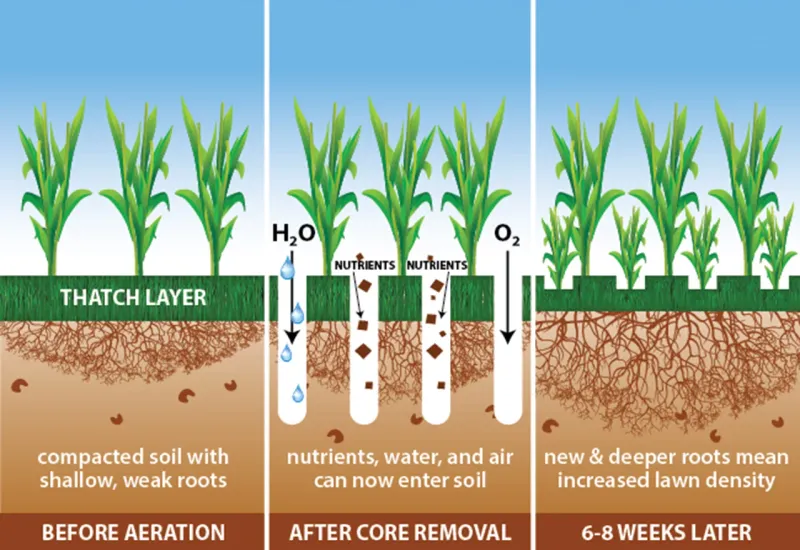
Aeration pulls small plugs of soil out of the ground, creating open channels 2–3 inches deep across the entire lawn surface. When you broadcast seed over this surface immediately after, a significant percentage of that seed falls directly into the channels — making contact with soil at depth, where moisture is retained and temperature is more stable.
Without aeration, broadcast seed sits on top of the thatch layer. Thatch has no moisture retention, no nutrients, and no root pathway. The seed that does germinate has to fight its way down through the organic mat before it can access soil. Most doesn't make it.
The channels created by aeration also improve the effectiveness of fertilizer applied after seeding, allow more air and water to reach the root zone during the first weeks of germination, and break up the soil surface so the plugs left behind mix into the thatch layer as topdressing. It's a chain of compounding benefits.
The Right Sequence: Step by Step
Step 1 — Mow short before you start
Cut the lawn to about 1.5–2 inches before the aeration/overseeding day. Shorter grass allows the aerator tines to penetrate at full depth and the seed to reach the soil surface after broadcasting. Bag the clippings.
Step 2 — Dethatch if needed
If your thatch layer is over ½ inch thick, dethatch first. Thick thatch defeats the purpose of overseeding even with aeration — seed still won't reach soil through a 1-inch organic mat. See our dethatching guide to assess your thatch level.
Step 3 — Core aerate (two passes)
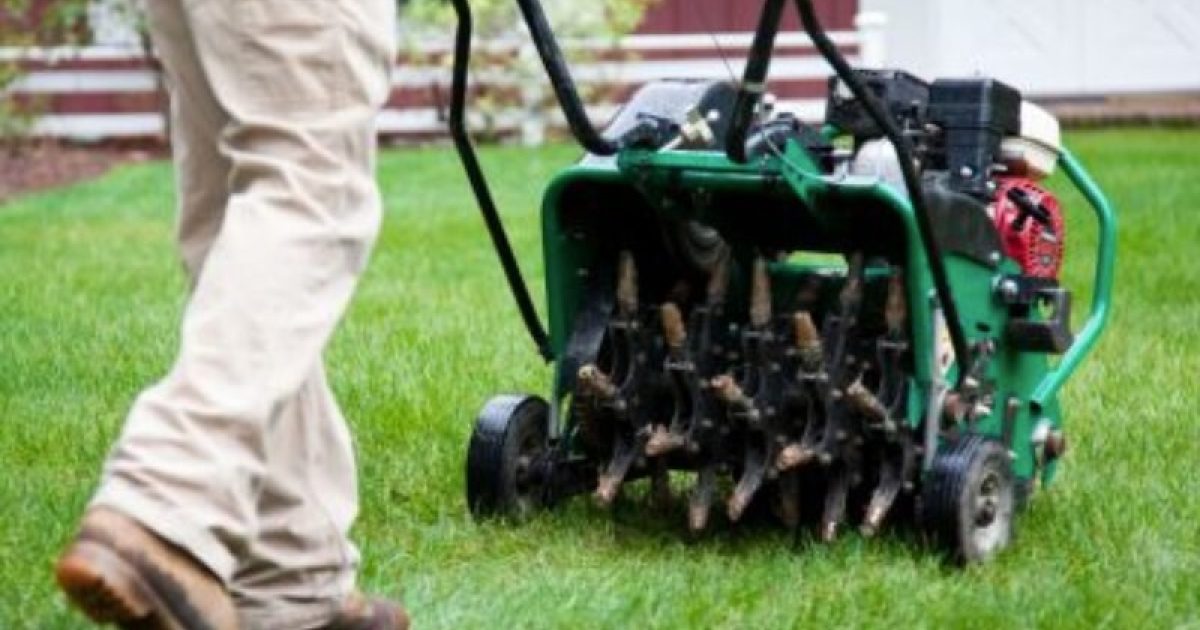
Run the aerator north-south, then east-west. Two passes at 90 degrees to each other ensure complete coverage and more channels per square foot. Leave the plugs on the surface — they break down in 2–4 weeks and add organic matter back to the soil.
Step 4 — Overseed immediately
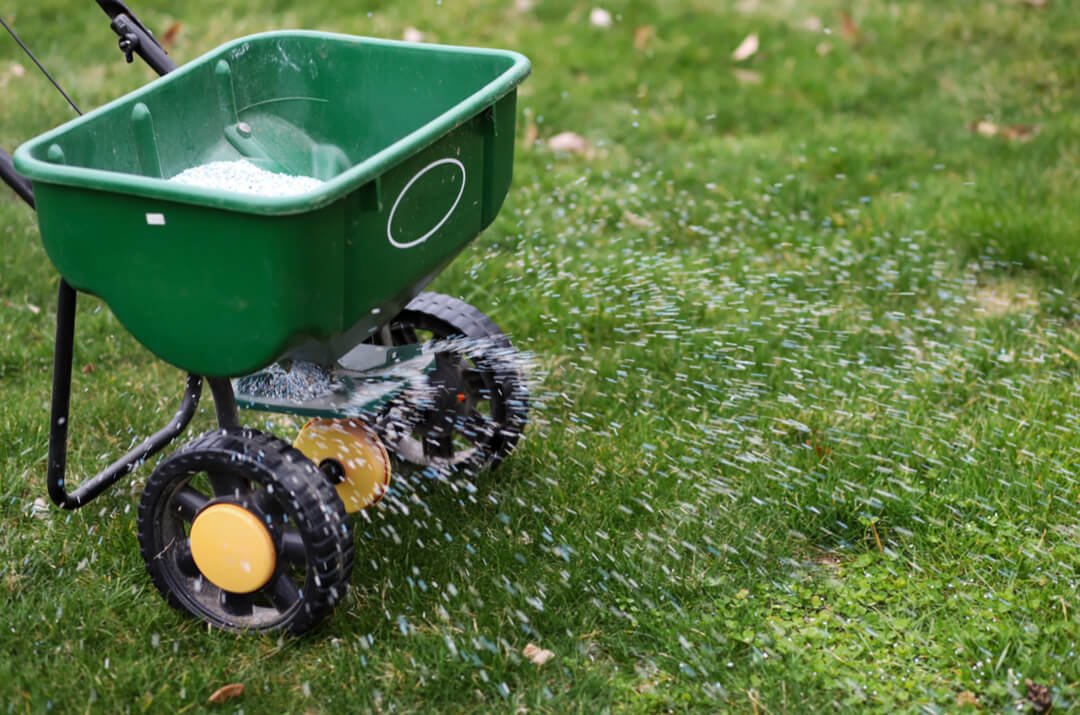
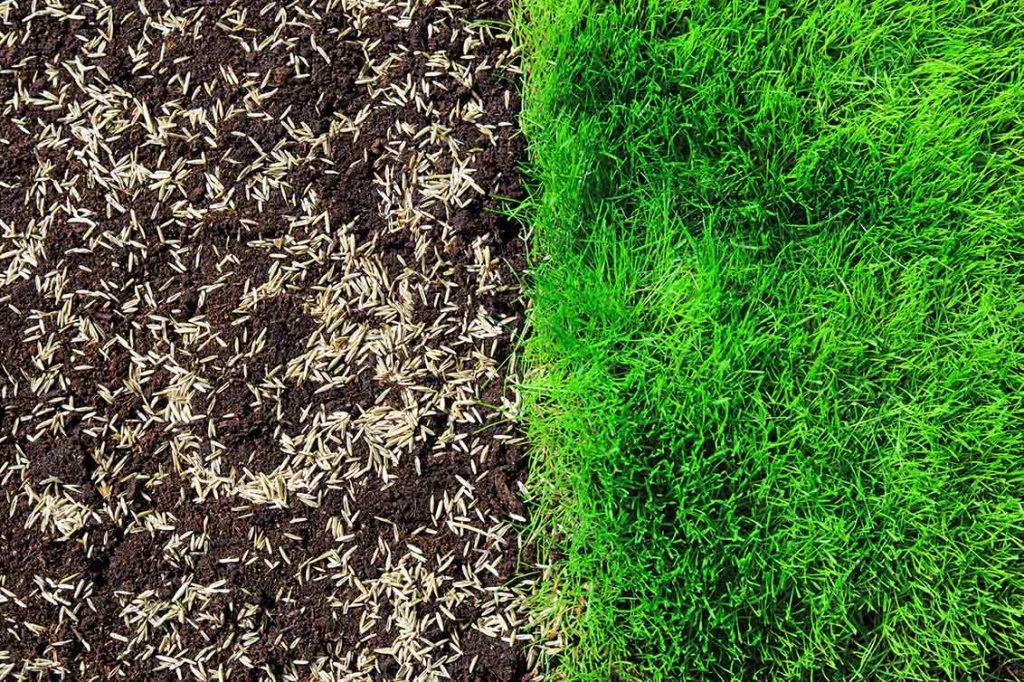
Broadcast seed over the freshly aerated surface. Use a broadcast or drop spreader at 3–4 lbs per 1,000 sq ft for general overseeding, 6–8 lbs per 1,000 sq ft for thin or bare areas. Apply in two passes at right angles for even coverage. The timing here matters — the channels remain open and receptive immediately after aeration. Don't wait a week.
Step 5 — Apply starter fertilizer
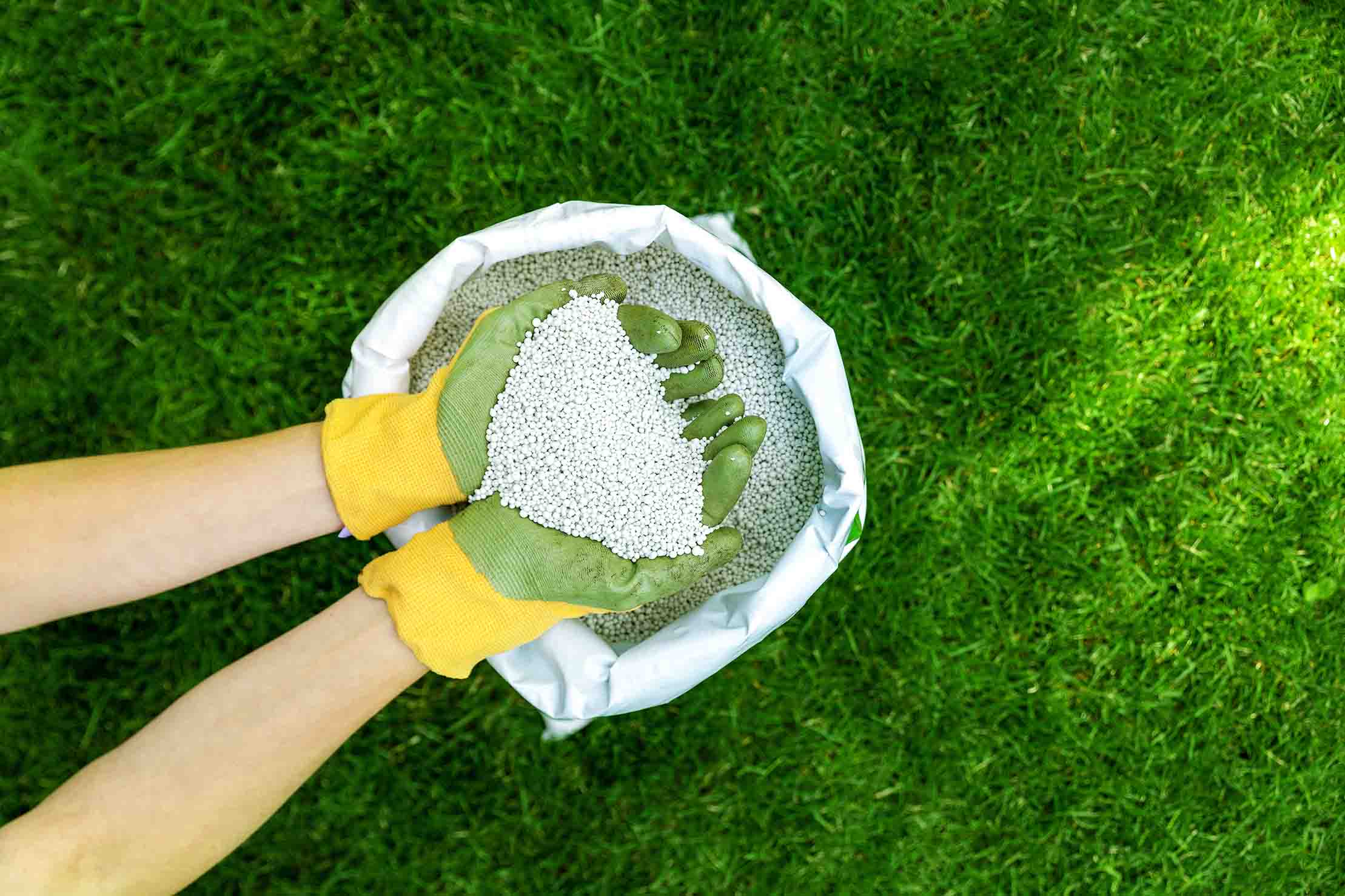
Use a starter fertilizer high in phosphorus immediately after seeding. This supports root development over top growth during the establishment phase. Apply at the bag's recommended rate.
Step 6 — Water and maintain the moisture schedule
Water lightly twice daily (morning and early afternoon) for the first 2–3 weeks to keep the top ½ inch of soil consistently moist during germination. After germination, shift to deeper, less frequent watering. Don't let the seedbed dry out during the first three weeks — this is the most critical maintenance step.
Timing the Combination in Ontario
The optimal window for aeration and overseeding together in Ontario is late August through mid-September. Here's what makes this window work:
- Soil temperatures are still warm (above 10°C) for reliable germination
- Air temperatures are cooling, reducing heat stress on new seedlings
- Cool-season grasses (bluegrass, fescue, ryegrass) are entering their strongest growth window
- Weed competition is lower in fall — new grass seedlings have less competition
- New seedlings establish roots before winter freeze rather than facing a first summer drought
The late September to mid-October window can work too, but with shorter establishment time before winter. Seeds germinated in October may not develop deep enough roots to winter well — acceptable for a mild winter, riskier for a hard freeze season. If you're past mid-September, still do it, but manage expectations for full integration by the following spring rather than fall.
What to Expect: Fall Through the Following Spring
- Days 5–10: Perennial ryegrass germinates first (fastest variety, 5–7 days)
- Days 14–21: Kentucky bluegrass begins germinating
- Week 3–4: Visible green coverage across seeded areas
- Week 5–7: First mow of new grass (at 3–3.5 inches)
- Late fall: New grass may go semi-dormant before winter — normal and expected
- By May (following spring): New grass fully active and integrated into existing turf
- By the following September: Full density improvement visible across the lawn
DIY vs. Professional Aeration and Overseeding
DIY aeration and overseeding is achievable. The main challenges: renting and operating the core aerator (physically demanding, requires timing with fall schedule), sourcing the right seed blend for Ontario, and committing to the watering schedule for 3–4 weeks after.
Most homeowners who've tried DIY overseeding without aeration and seen poor results switch to professional service — not because the process is too complex, but because the soil preparation step (aeration) was missing. The service pays for itself in seed that actually germinates.
We offer core aeration and overseeding as a package service across Richmond Hill, Vaughan, and Markham through August and September. Call (416) 618-5954 or request a quote online.
Frequently Asked Questions
Book the Full Fall Package
Core aeration + overseeding + starter fertilizer in one visit. Serving Richmond Hill, Vaughan, and Markham through August and September.
- University of Minnesota Extension: Lawns & Landscapes — research-backed aeration and overseeding guides for cool-season turf
- Aeration — Wikipedia — overview of soil aeration science