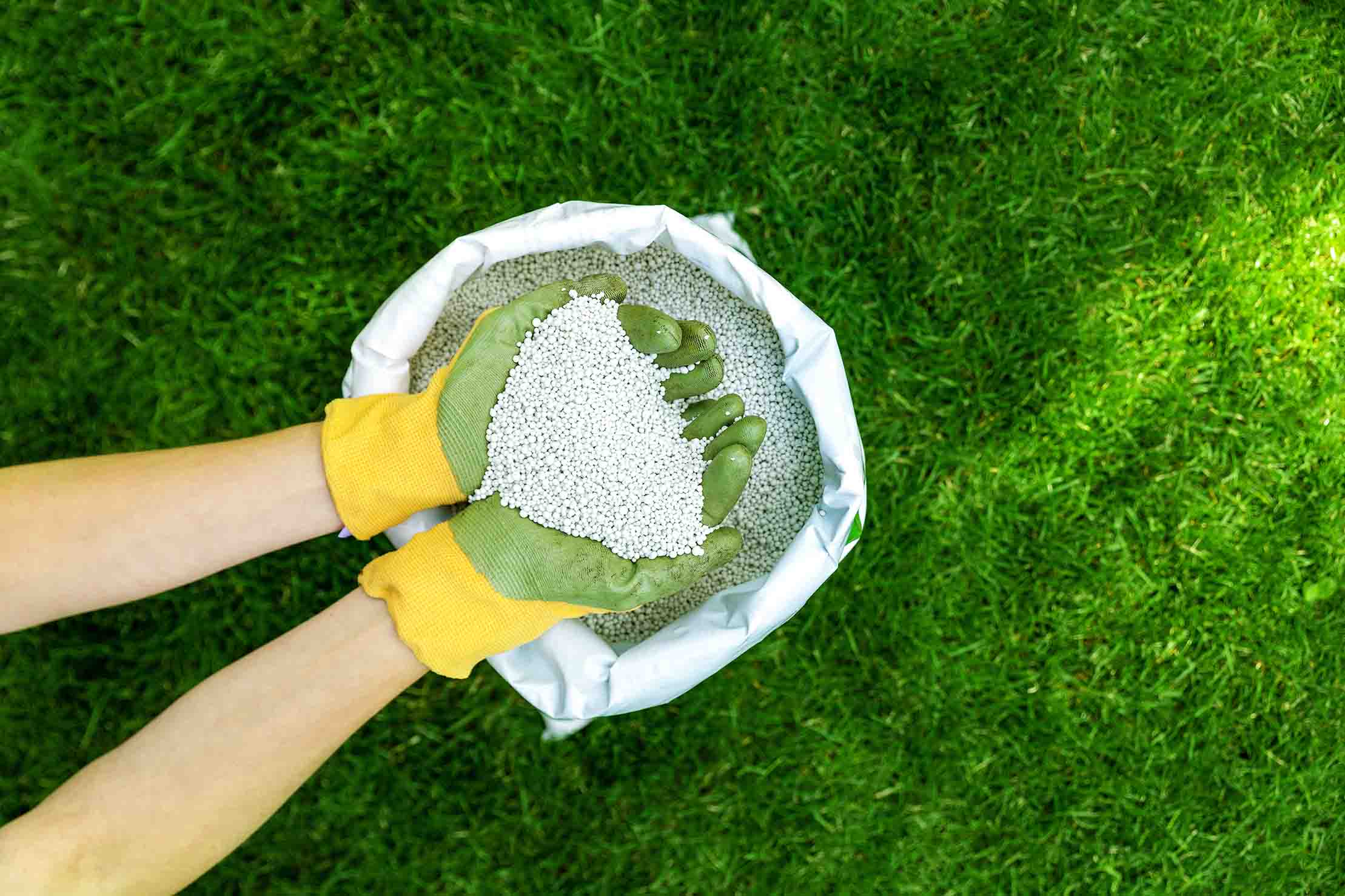
Spring arrives, the lawn turns green, and out comes the fertilizer. It's one of the most common lawn care sequences in Ontario — and one of the most counterproductive. When your cool-season grass looks its most lush and green in May, it's not hungry. It's already growing on stored root energy from last fall. Feeding it now is like serving a full breakfast to someone who just ate dinner.
Timing lawn fertilization correctly makes the difference between a lawn that stays green through summer and one that burns out by July. This guide covers the Ontario-specific fertilizing calendar, what each application actually does, what to use, and which common timing mistakes to avoid.
- The most important fertilizer application is fall (late August–October). This is when cool-season grass builds root mass for winter — the payoff is a stronger, denser lawn next spring.
- Skip the early spring rush. Wait until late May when the spring flush slows down — your lawn will use the nutrients instead of just burning through them.
- Never fertilize in a heat wave. Nitrogen on stressed, hot grass causes burn. If temperatures are above 28°C, wait.
- 3 applications per year is the sweet spot for most Ontario lawns: late spring, early fall, and late fall.
- Soil pH matters as much as timing — fertilizer barely works on acidic soil. Test before you spend.
Why Fertilizer Timing Matters More Than the Product
Grass doesn't use fertilizer on a schedule you set — it uses it based on its own growth cycles. Cool-season grasses (Kentucky bluegrass, fescue, perennial ryegrass — the vast majority of Ontario lawns) have two peak growth periods: spring (April–June) and fall (August–October). Summer is a stress period where growth slows and the plant conserves energy.
Apply nitrogen during the right growth window and the grass uses it for root development and density. Apply it during summer heat or early spring when the plant is already flush with stored energy, and it either gets wasted, runs off, or pushes excessive top growth that the root system can't support — making the plant more vulnerable to drought and disease.
A well-timed fall fertilizer does more than all the spring applications combined. This isn't a sales pitch — it's soil science. Most homeowners do the opposite because the lawn looks green and growing in spring. Timing is everything.
The Ontario Lawn Fertilizing Schedule
Application 1: Late spring (late May to mid-June)
Wait until the spring growth flush slows — roughly when you've been mowing weekly for 4–5 weeks and the pace starts to drop. This is when the lawn is actively growing but not in overdrive. Apply a balanced fertilizer (something like a 24-6-12 or similar N-P-K ratio). This supports continued growth into summer without pushing excess top growth.
Do not fertilize in April or early May unless your soil test shows a specific deficiency. The lawn doesn't need it and you're either wasting product or creating work for yourself with excessive mowing.
Application 2: Early fall (late August to mid-September)
This is the most important application of the year. Late August to mid-September is when cool-season grasses shift from summer recovery mode to building root mass for winter. Nitrogen applied now doesn't push top growth — it goes into root development and carbohydrate storage in the crown of the plant. The payoff is a lawn that winters better, greens up faster in spring, and is denser by early summer.
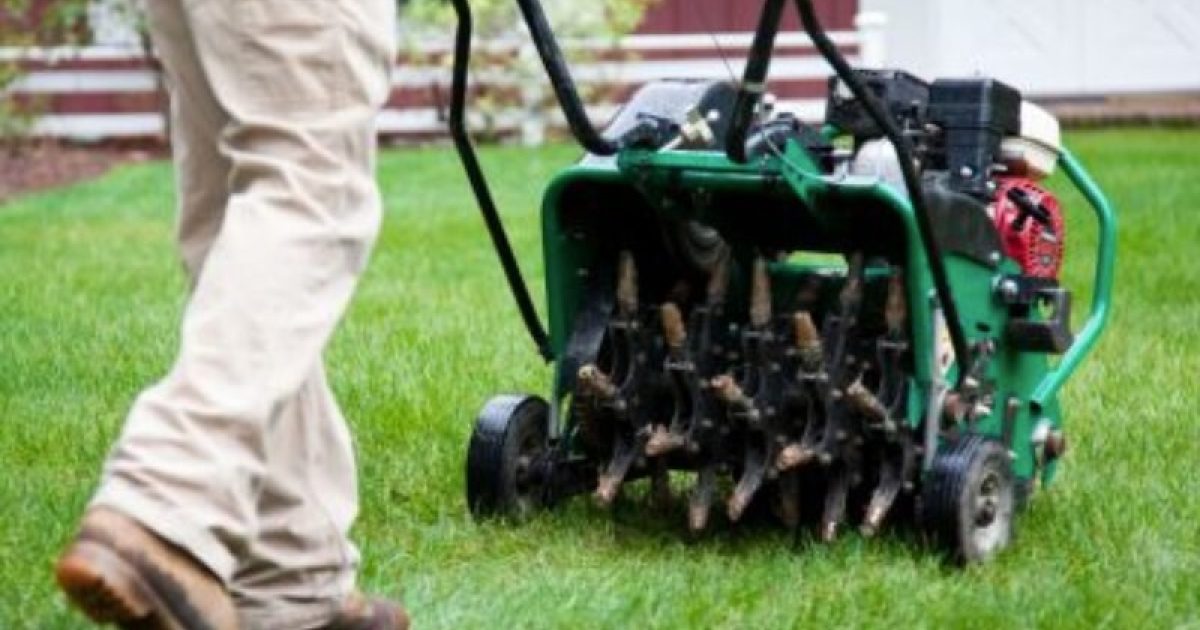
Use a fall-specific blend or a standard fertilizer with a slightly lower nitrogen ratio than your summer product. This is also the ideal time to pair fertilizing with overseeding and aeration for maximum result.
Application 3: Late fall (late October to early November)
This is the "winterizer" application — the one most homeowners skip and most lawn care professionals consider the second most important. Apply after the lawn has stopped growing for the season but before the ground freezes. The goal isn't growth — it's loading the crown and root zone with nutrients that will be available immediately when growth resumes in spring.
A late-fall fertilizer should be higher in potassium (the K in N-P-K), which improves cold hardiness and disease resistance over winter. Avoid high-nitrogen winterizers — they push top growth going into freeze season, which is counterproductive.
What Not to Do: Common Fertilizing Mistakes in Ontario
Don't fertilize in a heat wave
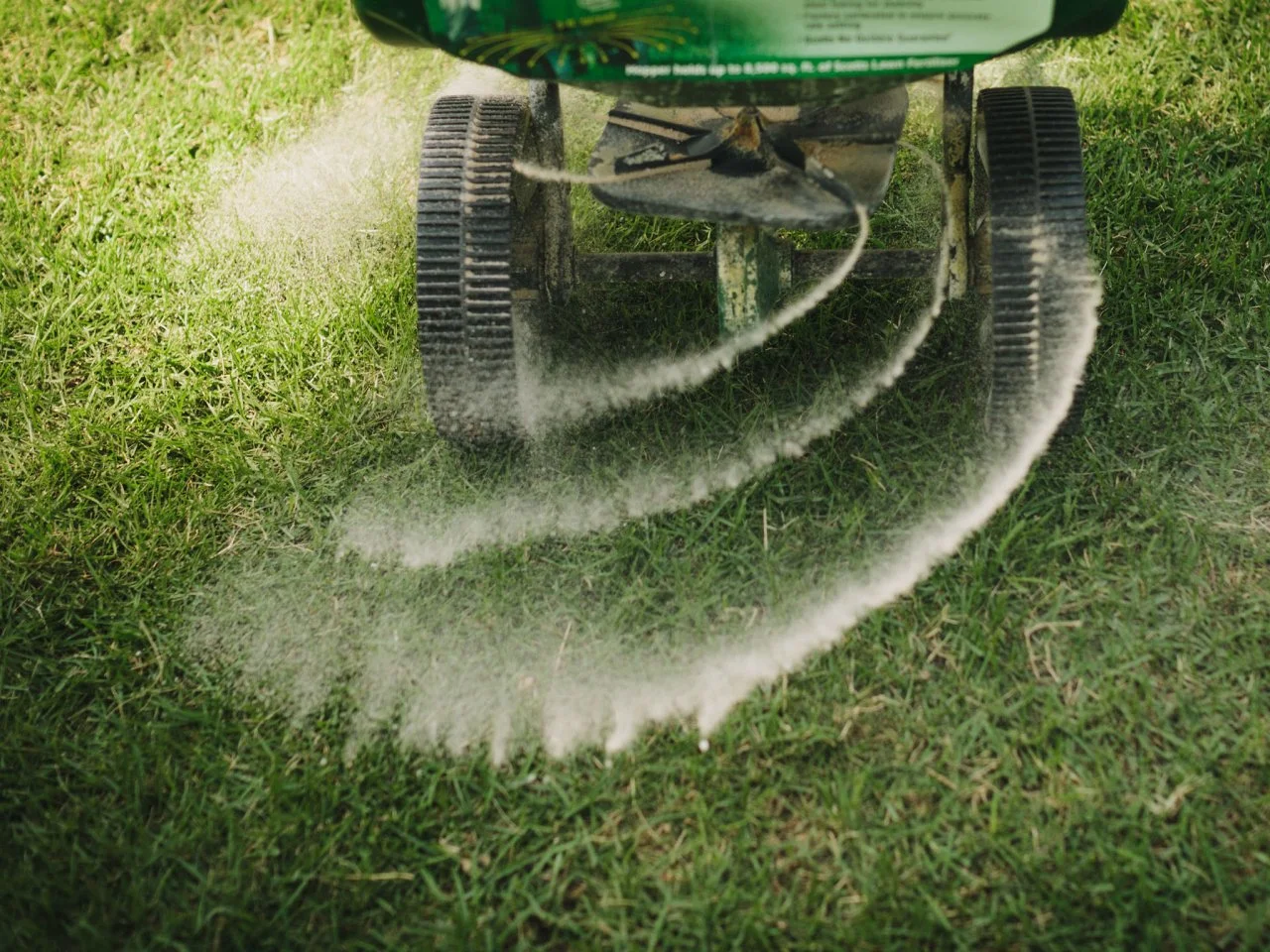
A client applied a full-rate nitrogen fertilizer in early August — mid-heat — because the bag said "apply anytime." Their lawn burned in patches within a week. They called thinking it was a fungal disease. It wasn't — just bad timing. Nitrogen during peak summer heat pushes growth the plant physically can't support without extra water, and the fertilizer salts draw moisture out of grass blades that are already stressed. If temperatures are above 28°C, wait.
Don't fertilize frozen ground
Fertilizer applied to frozen soil doesn't absorb into the root zone — it sits on the surface and washes away with snowmelt, directly into storm drains and waterways. This is an environmental issue and a waste of money. The late-fall application window closes when the ground freezes.
Don't rely on combination products for all your applications
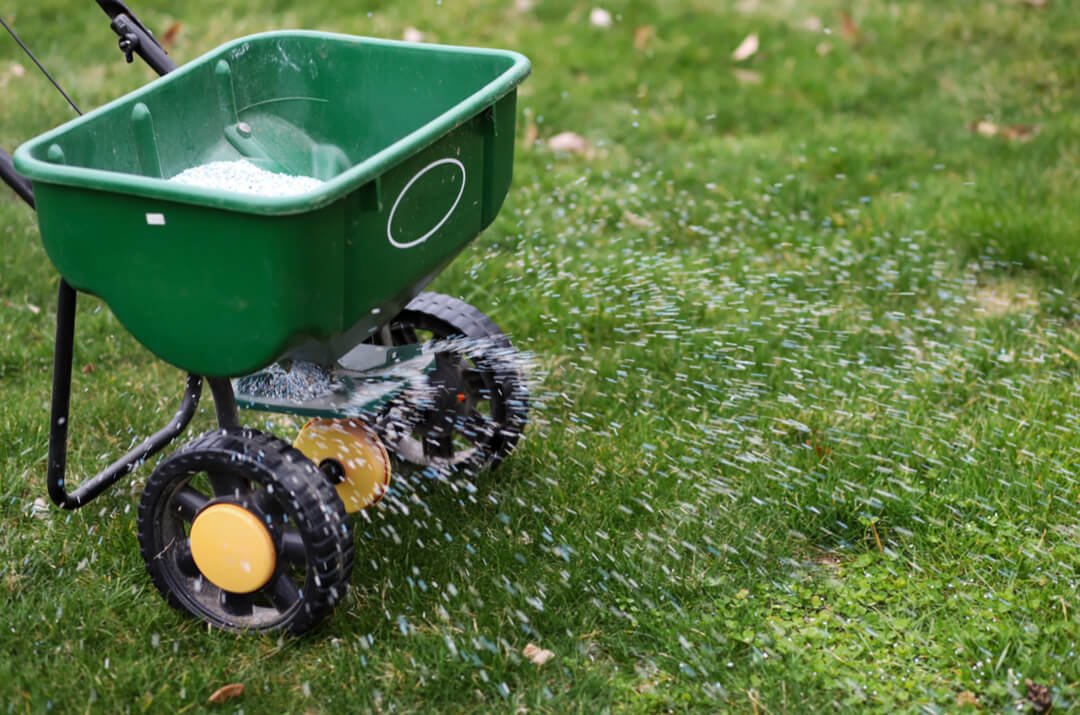
"Lawn care in a bag" 4-in-1 fertilizer/weed/feed/grub products require you to compromise on timing for everything. Each job has its own optimal window. Applying them together means at least two are applied at the wrong time. Use separate products, applied when they actually make sense. The cost difference isn't as large as the marketing suggests.
Don't fertilize right before heavy rain
Light rain after fertilizing is fine — it helps move nutrients into the soil. Heavy rain washes granular fertilizer off the lawn before it can dissolve and absorb. Check the forecast before applying; aim for a day with no rain followed by light rain 24–48 hours later.
What Fertilizer to Use: N-P-K Basics
Every fertilizer bag shows three numbers — the N-P-K ratio (nitrogen, phosphorus, potassium). Here's what each does for your lawn:
- Nitrogen (N): Drives green colour and leaf growth. Too much at once pushes excessive top growth; too little and the lawn stays pale and thin. The first number — the largest one on most lawn fertilizers.
- Phosphorus (P): Root development. Important for new seedings. Established lawns typically need very little. Check local regulations — Ontario has restrictions on phosphorus application to established lawns.
- Potassium (K): Cold hardiness, disease resistance, stress tolerance. The fall and winterizer applications should emphasize potassium.
For Ontario lawns: late spring application — something balanced like 24-6-12 or 30-3-3. Early fall — a blend around 24-6-12 or 20-0-10. Late fall winterizer — something like 16-0-20 or similar K-heavy blend.
Soil Testing: Do This Before You Fertilize
Fertilizer barely works on acidic soil. Most Ontario lawns have clay-heavy soil that tends toward acidity, especially in areas with high rainfall or near coniferous trees. If your soil pH is below 6.0, nutrients lock up in the soil chemistry and become unavailable to grass roots regardless of how much fertilizer you apply.
A basic soil test (available at most garden centres or through local extension services) costs $20–$40 and tells you pH plus nutrient levels. If pH is low, a lime application brings it up over 1–2 seasons. Don't spend money on premium fertilizers until you've confirmed the soil can actually use them.
Fertilizing Newly Seeded or Overseeded Lawns
New seedlings have different needs than established turf. For any freshly seeded or overseeded area:
- Use a starter fertilizer high in phosphorus immediately after seeding (supports root development)
- Wait until the lawn has been mowed at least twice before applying standard fertilizer
- Avoid weed-and-feed products for the first full growing season — the herbicide component prevents root establishment
- After the first season, move to the standard adult lawn schedule above
Frequently Asked Questions
Want a Fertilizing Program You Can Trust?
We handle timing so you don't have to guess. Lawn fertilization programs serving Richmond Hill, Vaughan, and Markham.
- University of Minnesota Extension: Lawns & Landscapes — fertilization timing guides for cool-season turf
- Fertilizer — Wikipedia — overview of fertilizer types and lawn application principles