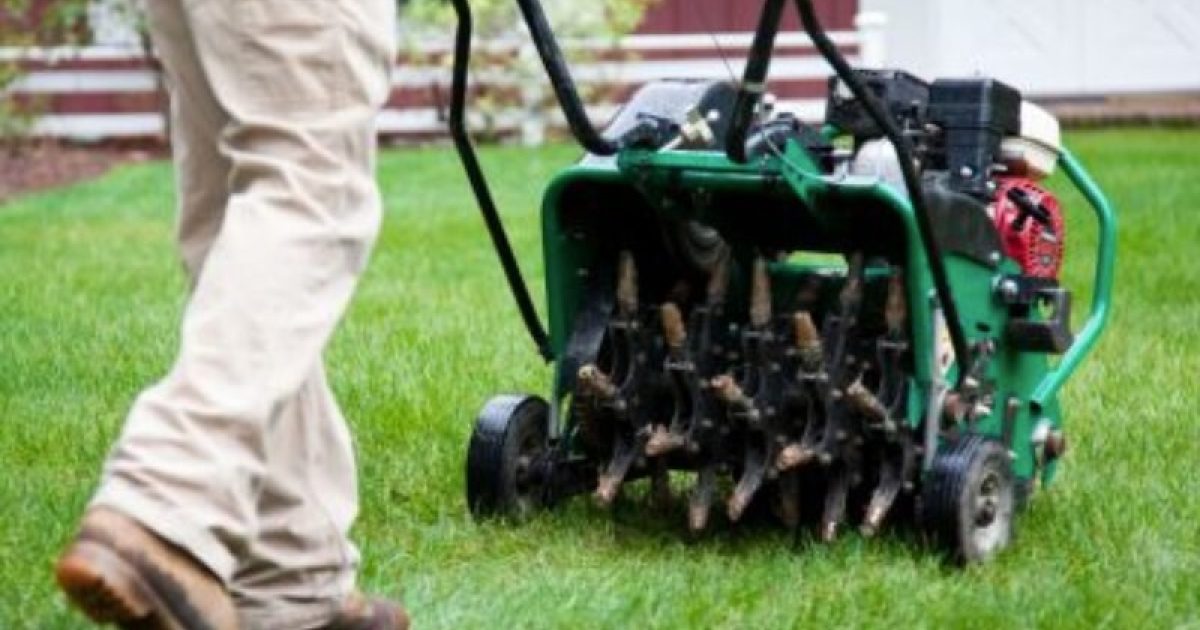
Most Ontario homeowners aerate in spring. Most Ontario homeowners are doing it at the second-best time. The direct answer on when to aerate your lawn in Ontario: late August through October. That's when cool-season grasses — the Kentucky bluegrass, fescue, and ryegrass that make up virtually every residential lawn in the GTA — are heading into their strongest growth window and can heal aeration holes quickly.
Spring aeration isn't worthless. But it opens your soil right before summer heat stress season, when the grass is least equipped to recover. This guide explains the timing logic, covers the secondary spring window, and tells you how to know whether your lawn needs aeration at all right now.
- Best time for Ontario: late August to October. Cool-season grasses heal fastest and respond best in fall.
- Spring window: mid-April to late May — acceptable, but second choice for most lawns.
- Never aerate in summer heat or when the lawn is dormant under drought stress.
- Do it when soil is moist — water the day before or aerate the day after rain.
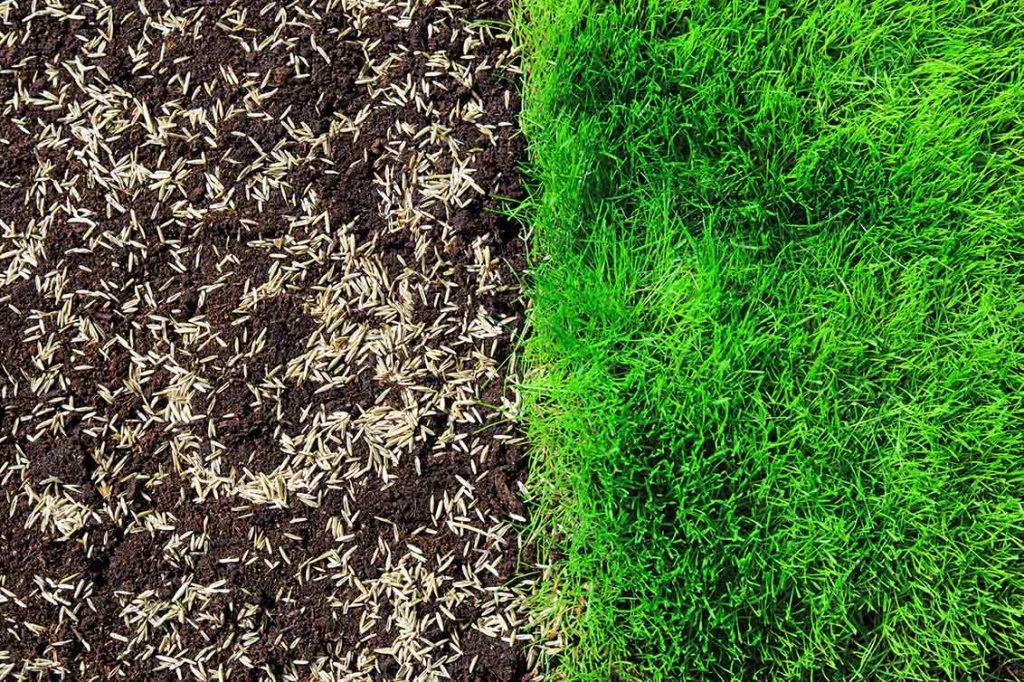
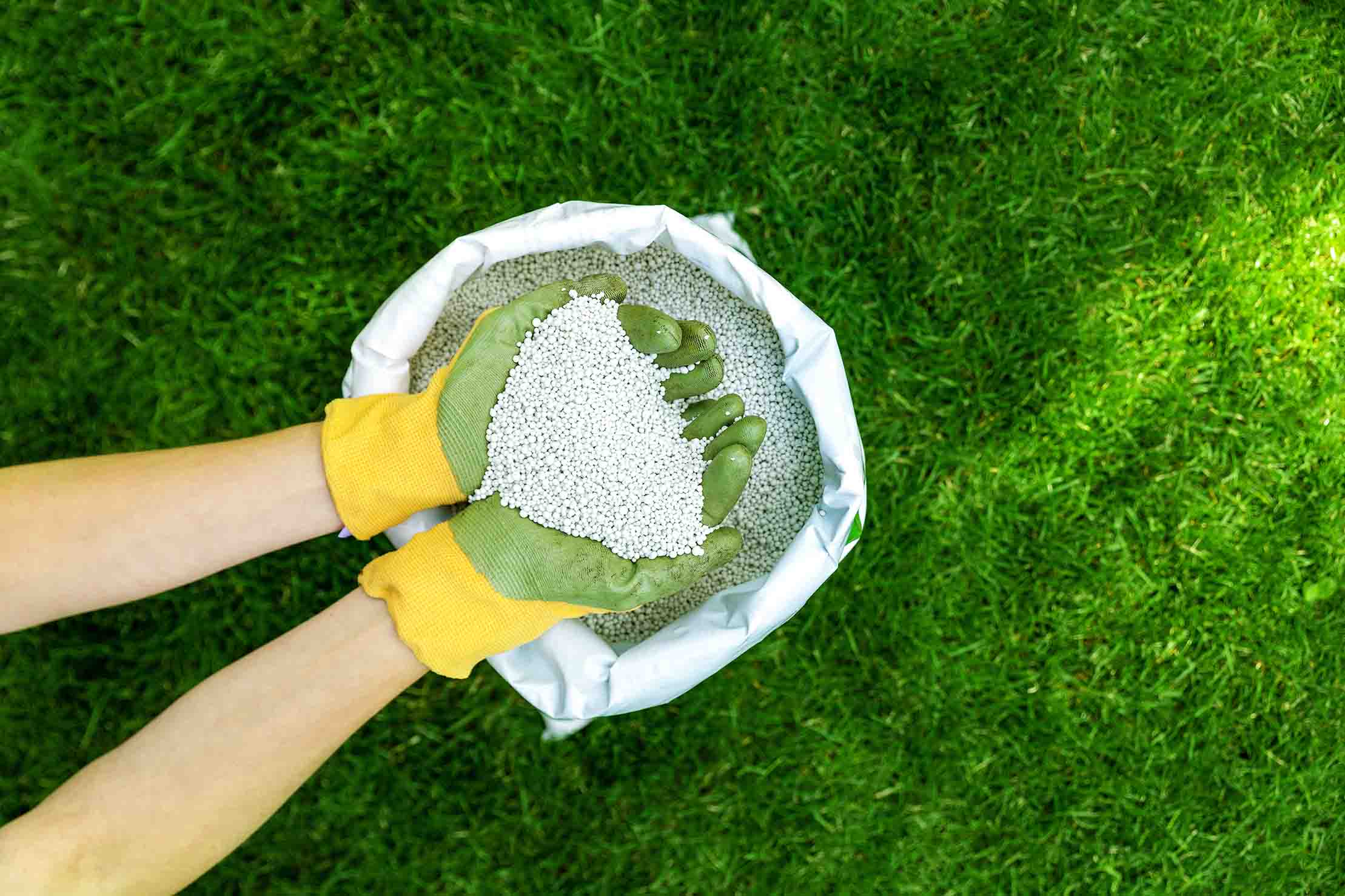
- Fall aeration + overseeding + fertilizing is the most effective combined treatment you can do for a struggling Ontario lawn.
Why Fall Is the Best Time to Aerate in Ontario
Cool-season grasses have two growth peaks: spring and fall. Of the two, fall is the more productive window for recovery and root development because:
- Air temperatures are cooling but soil temperatures stay warm enough for active growth (above 10°C through September and most of October)
- The grass is building root mass and carbohydrate stores for winter — aeration channels are used, not wasted
- Weed pressure is lower in fall, so you're not opening the lawn to crabgrass and other opportunists
- Cooler temperatures mean the lawn isn't under heat stress — the aeration wounds close faster
- You can immediately follow with overseeding and fall fertilizer for compounded results
A client in Markham had their previous lawn service aerate every late May for three years. Their bluegrass looked fine in spring but struggled every August. We switched them to September aeration. The difference by the following June was obvious. Same lawn, same soil, different month.
The Spring Window: Mid-April to Late May
Spring aeration works — it just has a narrower sweet spot and produces smaller gains than fall. If you missed the fall window, or if your lawn shows heavy compaction signs coming out of winter, spring aeration in mid-April to late May is the right call.
The timing matters: you want to wait until the frost is fully out of the ground (so the aerator tines can penetrate) but aerate before soil temperatures climb past 20°C (when heat stress starts). In Richmond Hill and Vaughan, that typically means the last two weeks of April through mid-May is your window.
Don't pair spring aeration with overseeding — the timing is wrong. Seed germination in late spring runs into summer heat at exactly the wrong stage of establishment. If you're aerating in spring, fertilize and leave it at that; save the overseeding for fall.
When Not to Aerate
During summer heat (July–August)
Summer is the worst time to aerate. The grass is under heat and drought stress. Aeration wounds during peak stress dehydrate faster than they can heal, and the turf is in a conservation mode rather than a recovery mode. If your lawn looks rough in August, water it and wait for September — don't aerate it.
On newly seeded lawn (under 1 year old)
Don't aerate a lawn that was seeded within the last 12 months. The root system isn't established enough to handle the disruption. Wait until the lawn has gone through a full growing season before aerating.
When the lawn is drought-dormant
A brown lawn in August may have gone semi-dormant to conserve moisture — it's not dead, just protecting itself. Aerating dormant turf opens channels that dry out before the grass can respond. Wait for the lawn to come out of dormancy (usually early September with cooler temps and rain) before aerating.
After recent heavy rain
Aerating waterlogged soil compacts the surrounding area. You want soil that's moist but firm — not soaking wet. The day after moderate rain is ideal. After heavy rain, wait 2–3 days.
How to Know If Your Lawn Needs Aeration
Aeration isn't needed every year on every lawn. Here's how to assess whether it's necessary:
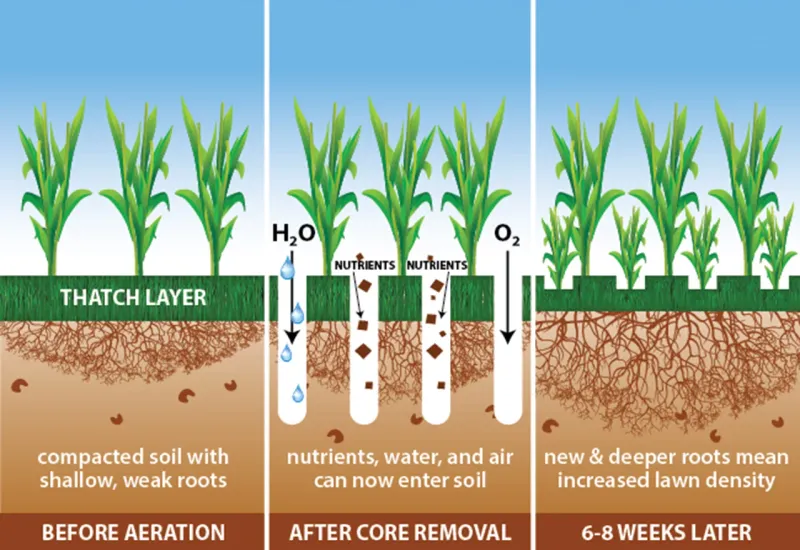
The screwdriver test: Push a flat-head screwdriver into the soil. If you can't push it 2 inches down without effort, the soil is compacted and aeration will help. If it slides in easily, compaction may not be the issue.
- Water pools or runs off the surface instead of soaking in
- The lawn feels hard underfoot even after rain
- Grass is thin despite adequate watering and fertilizing
- The lawn gets heavy traffic (kids, pets, frequent mowing on wet soil)
- You have heavy GTA clay soil (compacts more readily than loam)
Most established Ontario lawns benefit from annual aeration — the combination of clay soil and regular traffic means compaction is nearly inevitable. If your lawn is in good shape and passes the screwdriver test easily, every other year is fine.
Frequently Asked Questions
Book Your Fall Aeration
We do core aeration in Richmond Hill, Vaughan, and Markham through August, September, and October. Book early — our fall schedule fills fast.
- University of Minnesota Extension: Lawns & Landscapes — optimal aeration timing for cool-season lawns in northern climates
- Aeration — Wikipedia — the science of soil aeration and its lawn benefits