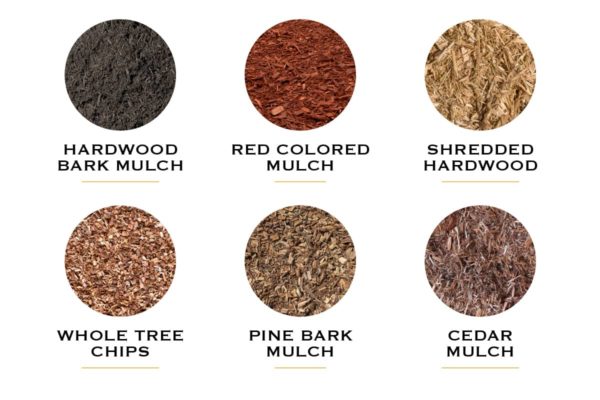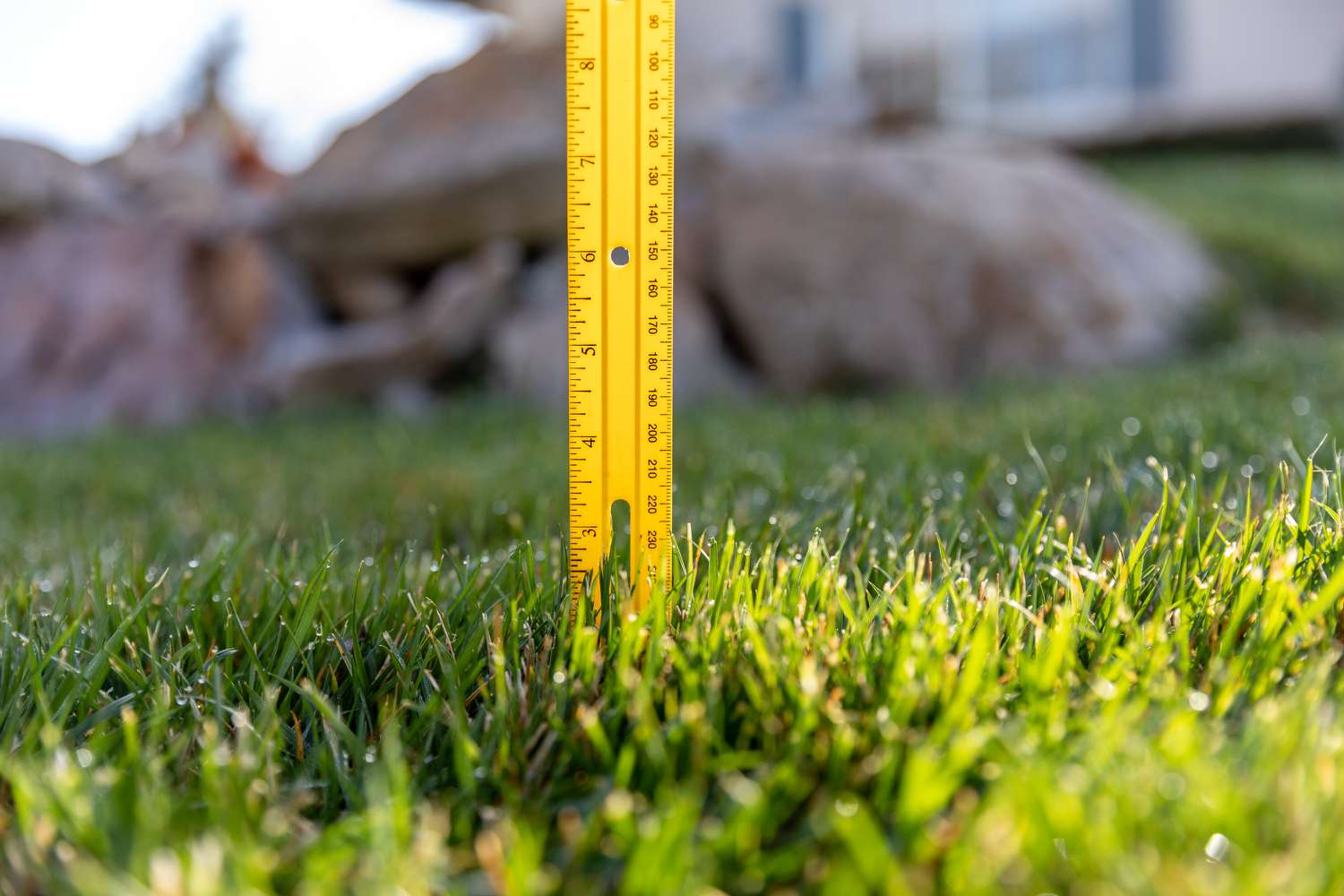
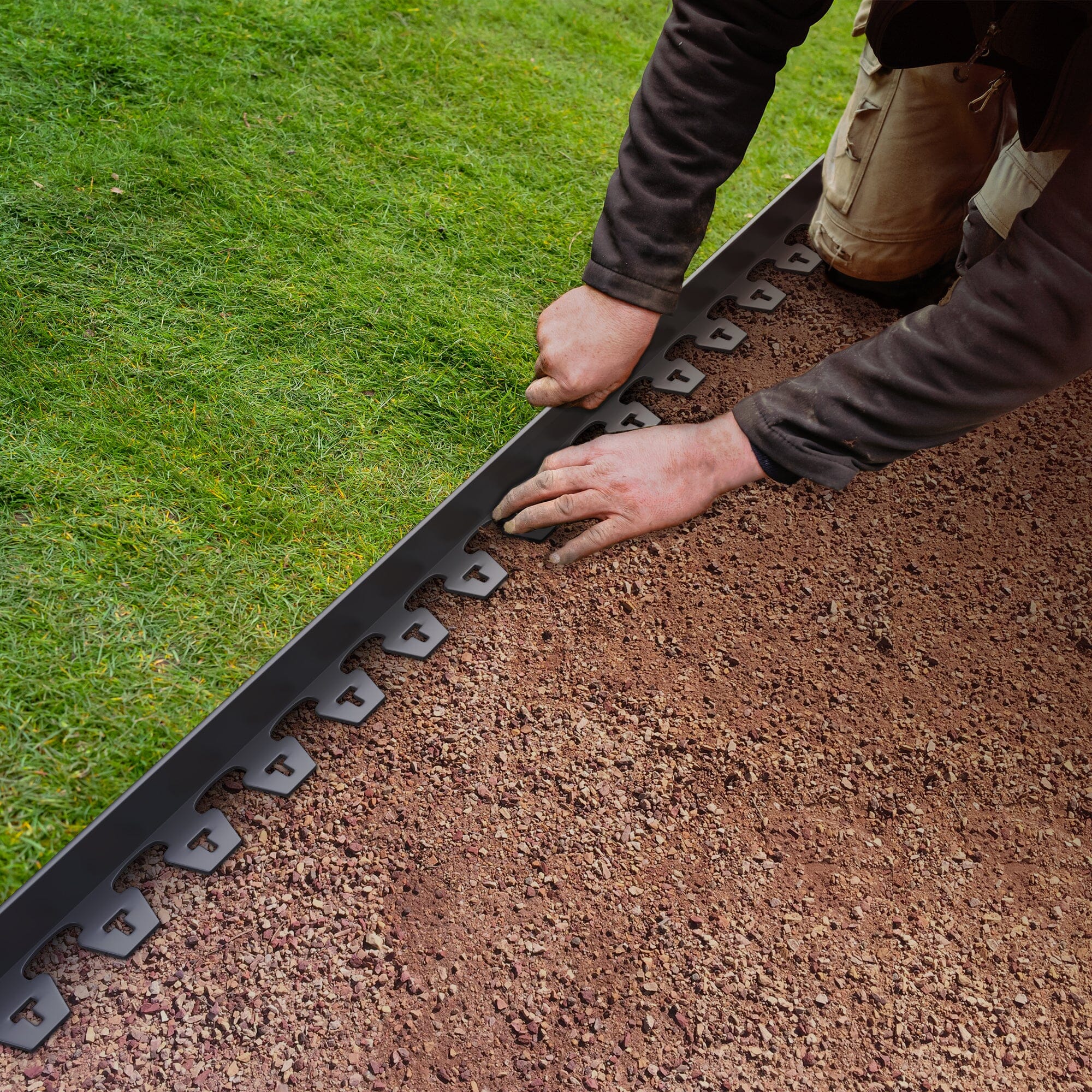
There's a reason professional landscapers edge before they do anything else. Clean edges do something visually that's hard to explain until you see it — they make the entire lawn look like someone's paying attention. Two identical lawns, same length, same colour. One has crisp edges along the beds and driveway. One doesn't. The edged one looks like a finished project. The other looks like a work in progress.
Lawn edging is the process of cutting a clean, defined line between your grass and adjacent surfaces — garden beds, driveways, walkways, and curbs. It's not the same as trimming (cutting grass along fence lines and obstacles). Edging creates a physical separation. This guide covers which tool to use, the right technique for different surfaces, how often to edge, and how to maintain those lines without re-doing the whole job every week.
- Use a rotary edger for hard surfaces (driveways, walkways) and a string trimmer held vertically for bed edges.
- Edge first, mow second. Mowing cleans up the clippings left by edging automatically.
- Deep edging once per season establishes the line; maintenance edging every 2–4 weeks keeps it.
- The trench method creates a physical barrier that slows grass creep into beds by weeks.
- Clean edges take 15–20 minutes on a standard residential property once the initial line is established.
Why Edging Makes Such a Big Difference
Grass is relentless. Left to its own devices, it will creep into garden beds, across walkways, and over curbs — not out of spite, just because it can. The stolons and rhizomes of common Ontario lawn grasses (Kentucky bluegrass, ryegrass) spread horizontally just under the soil surface. Without a defined barrier, the lawn edge is just wherever the grass happens to stop today.
Beyond the visual effect, clean lawn edges actually make the rest of your lawn maintenance easier. When grass isn't hanging over into a bed, mulch stays cleaner, bed edging holds its shape, and the whole front of the property reads as intentional rather than incidental. It's the detail that signals the rest of the lawn is being managed — even if you mowed two days ago and it's already getting long.
Tools for Lawn Edging: What Works and What Doesn't
Rotary edger (manual or powered)
The best tool for clean, vertical cuts along hard surfaces like driveways, concrete walkways, and curbs. The rotating blade drops straight down, cutting a precise line against the pavement. A powered rotary edger is worth every dollar for any property with more than 20–30 feet of hard-surface edges. Manual rotary edgers work but are slow.
String trimmer (held vertically)
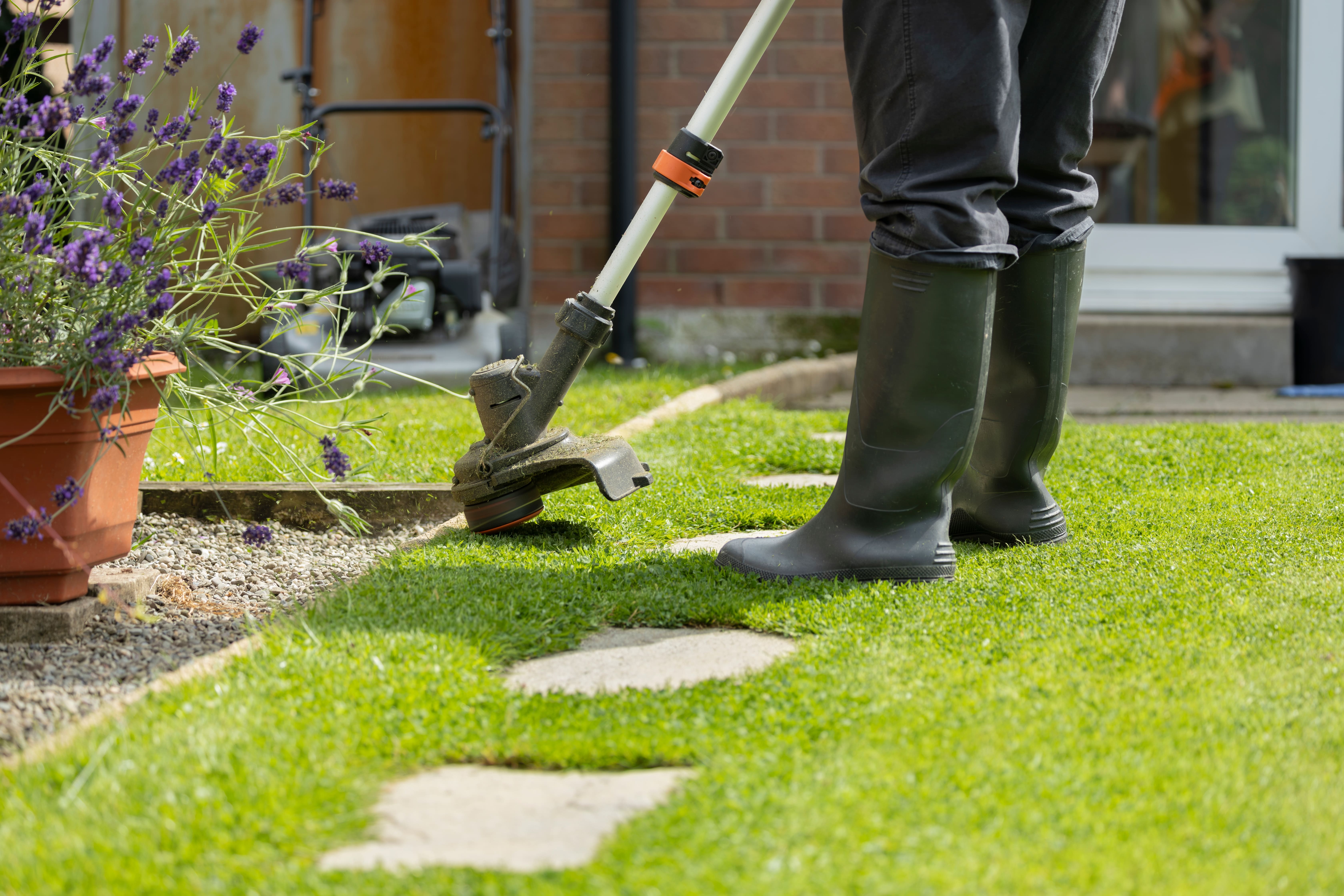
The most versatile edging tool for curved garden beds, as it follows any shape without resistance. Hold the trimmer head parallel to the ground, with the string spinning in a vertical plane rather than the standard horizontal position for grass cutting. Takes some practice to keep a consistent depth, but it's the right tool for irregular or curving bed edges.
Half-moon edger
A manual tool with a flat, D-shaped blade on a handle. Excellent for initial deep edging and creating a defined trench along bed borders. Not practical for long, straight runs, but perfect for precision work around trees or tight corners where a power tool would be awkward.
What doesn't work
Using a string trimmer horizontally along a driveway looks rough — the angle isn't consistent and you end up with a ragged, uneven line. Avoid using shears for edging (they're for trimming vertical surfaces like hedges, not creating lawn edges). And please don't use a flat spade — you'll end up with a scalloped edge that looks worse than none at all.
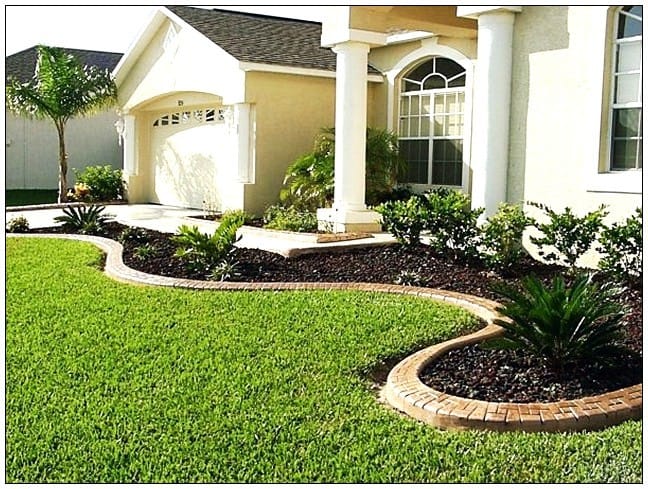
How to Edge Your Lawn: Step by Step
Step 1 — Edge before you mow
Always edge first. The clippings and debris left by edging land in the lawn, where the mower cleans them up on the pass that follows. If you mow first, you have to hand-rake or blow out the edging mess from a freshly cut lawn. Edge first, mow second. Every time.
Step 2 — Deep-cut the initial line (first time only)
If your edges have been overgrown for a season or more, you need to re-establish the line first. Use a half-moon edger or rotary edger with extra downward pressure to cut 2–3 inches into the ground along the desired edge. This creates the trench line that all maintenance edging follows afterward. Do this once per season (or once per property if you're new to a lawn). Remove the cut material and compost it.
Step 3 — Edge along hard surfaces with a rotary edger
For driveways and concrete edges, roll the rotary edger along the hard surface, keeping the wheel against the pavement. Apply even downward pressure. The blade should drop straight — vertical, not angled. Move steadily; pausing too long creates uneven depth marks. Sweep the clippings off the driveway when done.
Step 4 — Edge bed borders with a string trimmer (vertical)
For garden beds, rotate the string trimmer so the cutting head is vertical — the string spins in a vertical plane and cuts the edge of the grass like a blade. Walk slowly and consistently. The trench from Step 2 acts as your guide. You're maintaining a line, not creating a new one. Once you've got the initial line set, this takes 5 minutes per bed per visit.
Step 5 — Clean up and apply edge dressing if needed
Rake up cut material from the edge. If you're doing bed edges, pulling the loose clippings out of the mulch before they settle in is easier than picking them out later. Optionally, apply a thin strip of fresh mulch right against the edge to lock in the visual definition and slow grass creep.
How Often to Edge Your Lawn in Ontario
There's a difference between establishing edges and maintaining them. Initial deep edging should happen once in spring (or when you first set up a property). After that, maintenance edging every 2–4 weeks during the growing season is enough to keep the lines sharp.
During peak growing season (May–July in Ontario), once every two weeks is realistic. In August and September when growth slows, once a month is usually sufficient. Stop edging once mowing season ends — no point in edging dormant grass.
One thing we see regularly: homeowners who skip edging for a whole season, let the grass creep six inches into their beds, and then do a major renovation in fall. Monthly maintenance is dramatically less work than an annual deep reclamation project.
The Trench Method for Beds: Slows Grass Creep for Weeks
The best low-maintenance edging technique for garden beds is the trench method. Instead of a flush cut at soil level, you cut a small V-shaped trench (2–3 inches deep) along the bed border. The grass roots hit the trench wall and stop, rather than growing across a flush edge into the bed.
Combine the trench with a 2–3 inch mulch layer in the bed, and you create a physical and visual barrier that stays defined for 4–6 weeks between maintenance sessions. This is what professional landscaping looks like — not magic, just geometry.
Edging Tips for Common Ontario Lawn Scenarios
Edging around trees
Create a defined mulch ring around trees rather than letting grass grow right up to the trunk. The standard is a 2–3 foot radius ring with 2–3 inches of mulch. Edge the perimeter of that ring annually to keep it from shrinking. This also protects the tree bark from mower and trimmer contact — a major cause of tree damage we see all the time.
Edging along natural stone or interlock
Manual edging works best here — a half-moon edger or string trimmer allows you to follow the irregular surface of stone. Don't force a rotary edger along natural stone; the irregular heights will cause inconsistent blade depth and a messy result.
Dealing with steep grade changes
Where the lawn meets a higher or lower surface (a raised bed, a retaining wall), edge from the higher side looking down. Keep the cut vertical regardless of the grade. A handheld rotary edger is more controllable on grade changes than a walk-behind power edger.
Frequently Asked Questions
Want Edges That Stay Sharp All Season?
We include bed edging and trimming with our full lawn care service. Serving Richmond Hill, Vaughan, and Markham.
- University of Minnesota Extension: Lawns & Landscapes — mowing, edging, and trim guides for professional lawn results
- Lawn — Wikipedia — lawn maintenance principles and edge care