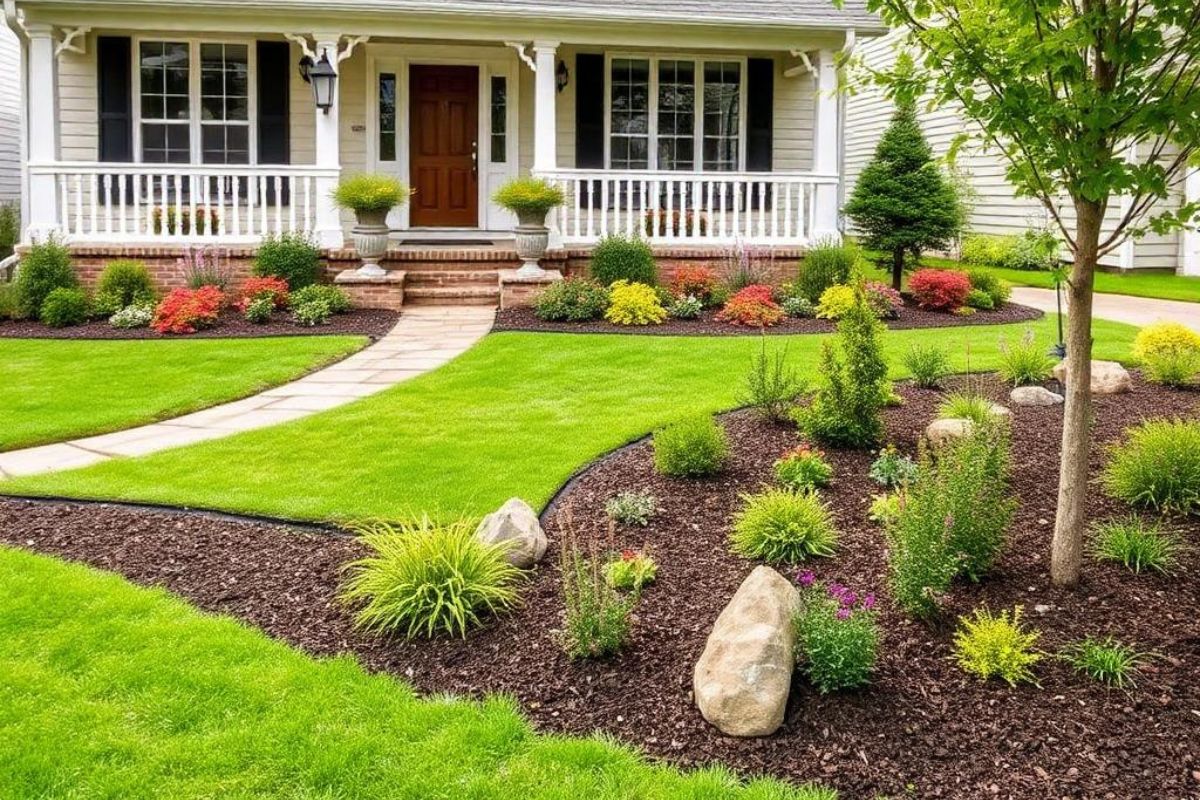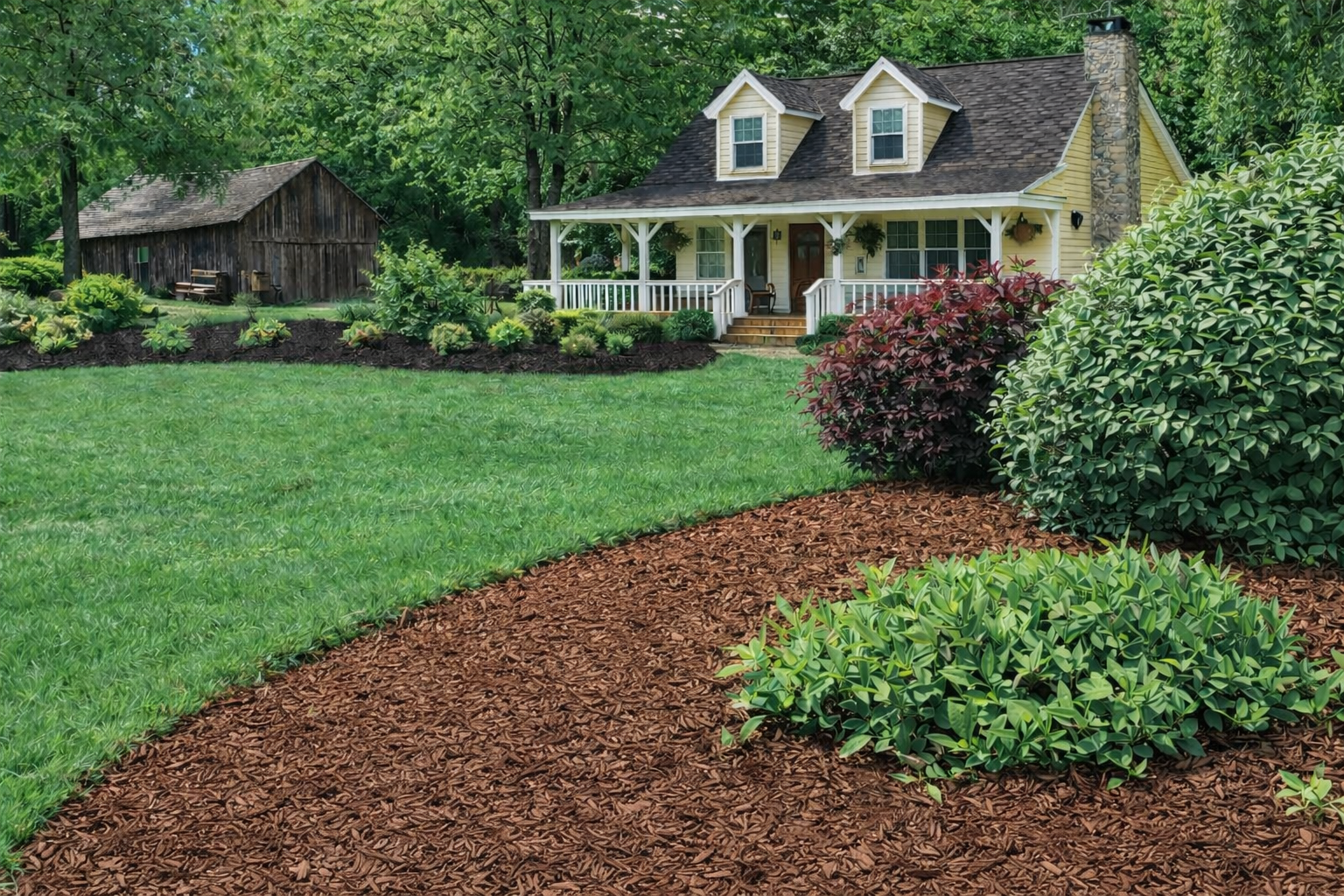
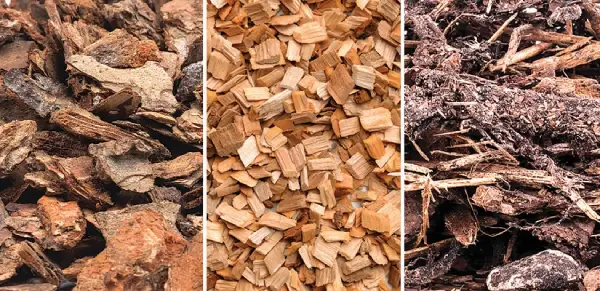
Walk into any garden centre and you're hit with a wall of mulch options — cedar, pine bark, cypress, hardwood, organic, coloured, rubber. They all technically do the same job: suppress weeds, retain moisture, regulate soil temperature, and make your beds look finished. But the differences in longevity, cost, soil benefit, and how they hold up through an Ontario winter are significant enough to make the wrong choice an expensive one.
This guide rates every common type of mulch honestly — no vague "it depends," no brand plugs. Just what each type does well, what it doesn't, and what works best for Ontario gardens specifically. Whether you're doing a quick seasonal refresh or a full landscape installation, you'll know exactly what to buy before you leave the store.
- Best overall longevity: Cedar mulch (2–3 years)
- Best soil benefit: Organic compost mulch
- Best budget option: Hardwood mulch or shredded bark
- Best natural pest repellent: Cedar or cypress mulch
- Apply 2–3 inches deep — not more than 4 inches (volcano mulching kills trees).
Why Mulch Matters
A well-mulched garden bed does more work than most people realize. A proper 2–3 inch layer of mulch:
- Reduces soil moisture loss by up to 70% — cutting watering needs significantly
- Suppresses weed germination by blocking sunlight from the soil surface
- Regulates soil temperature (cooler in summer, warmer in spring and fall)
- Protects plant roots from freeze-thaw cycles in Ontario winters
- Adds organic matter to the soil as it breaks down
- Dramatically improves the finished look of any landscape
The key word is proper depth. Too little (under 1.5 inches) and weeds push right through. Too much (over 4 inches, especially mounded against tree trunks — a practice called "volcano mulching" for obvious reasons) suffocates roots and traps moisture against bark, causing rot and long-term structural damage to the tree.
We were called in to redo a front garden bed that another company had mulched. There was 6 inches piled directly against the base of two ornamental trees. The bark was already starting to rot, moisture was trapped at the trunk, and one tree was showing stress. We pulled it back to a proper 2–3 inches with a gap at the base. The trees recovered. The company that installed the volcano doesn't seem to work in the area anymore.
Cedar Mulch
Cedar mulch is the gold standard for most Ontario homeowners and landscapers. This isn't marketing — it earns the title.
- Longevity: Excellent — 2 to 3 years before significant breakdown. Cedar contains natural oils that slow decomposition.
- Pest repellent: The same oils that make cedar long-lasting naturally repel moths, cockroaches, and some beetles. Not effective against all insects, but a genuine benefit.
- Smell: Strong, pleasant cedar fragrance when fresh. Fades over a few months.
- Soil benefit: Moderate — decomposes slowly, so it doesn't rapidly enrich the soil, but it does eventually add organic matter.
- Colour: Reddish-brown when fresh, fades to grey without dye.
- Cost: Medium-high — typically $6–$9 per cubic foot at retail in the GTA.
Best for: Garden beds where you want a clean look and don't want to remulch every year. Excellent around trees and shrubs. A reliable choice for most residential landscaping projects.
Pine Bark Mulch
Pine bark mulch comes in several textures — mini nuggets, large nuggets, and shredded. Each behaves differently.
- Longevity: Good — 1 to 2 years for shredded, up to 3 years for large nuggets (larger pieces decompose more slowly).
- Drainage: Excellent — pine bark nuggets don't compact, allowing water to penetrate freely. Ideal for beds with drainage concerns.
- pH effect: Pine bark is slightly acidic as it breaks down — beneficial for acid-loving plants like blueberries, azaleas, and rhododendrons.
- Soil enrichment: Good, especially shredded forms that break down faster.
- Colour: Deep reddish-brown, attractive fresh. Fades to grey-brown.
- Cost: Medium — comparable to cedar, sometimes slightly less expensive.
Best for: Acid-loving plants, beds where drainage is important, or where a more natural bark appearance is preferred. Large nuggets can shift in rain or slope settings — shredded pine bark stays put better.
Hardwood Mulch (Shredded)
Hardwood mulch is shredded wood from hardwood trees (oak, maple, ash). It's typically the most affordable bagged or bulk mulch option and one of the most commonly used in the GTA.
- Longevity: Fair — breaks down in 1 to 1.5 years, which means annual reapplication.
- Soil benefit: Very good — because it breaks down quickly, it adds organic matter to soil faster than cedar or cypress.
- Compaction: Shredded hardwood knits together as it settles, which is great for weed suppression but reduces water infiltration if applied too thickly.
- Cost: Low to medium — typically the most economical option for large-scale coverage.
- Colour: Brown-grey when fresh, turns uniformly grey within a season.
Best for: Homeowners who remulch every year and want maximum soil improvement. Excellent value for large beds. Not ideal if you want long-lasting appearance without annual refresh.
Cypress Mulch
Cypress mulch is made from bald cypress or pond cypress trees harvested in the southeastern US. It was once considered premium mulch. There are sustainability concerns that have changed how we think about recommending it.
- Longevity: Very good — cypress contains natural oils that resist decomposition. Similar to cedar.
- Water repellency: Fresh cypress can initially repel water rather than let it through. Always install when the ground is already moist, and break up any dry, compacted layers annually.
- Colour: Light tan-blond when fresh, grey with weathering.
- Sustainability concern: Much commercial cypress mulch comes from clear-cutting wetland forests. Look for certified sustainable sources if this matters to you.
- Cost: Medium-high, similar to cedar.
Best for: Areas where durability is the priority and you have a reliable sustainable source. Functionally similar to cedar.
Bark Mulch (Generic)
Generic bark mulch is a catch-all term for shredded or chipped bark from various tree species, often mixed or of unspecified origin. It's typically what you get with bulk delivery orders labeled simply "bark mulch."
- Longevity: Variable — depends entirely on species mix. Usually 1–2 years.
- Cost: Low — bulk bark mulch is one of the most economical options for large coverage areas.
- Appearance: Inconsistent — colour, texture, and chunk size vary by source.
Best for: Large areas where cost matters more than uniformity of appearance, or temporary coverage while a permanent landscape plan is developed.
Organic Mulch (Compost-Based)
Organic mulch — made from composted leaves, food scraps, wood, or municipal organics — is the most soil-enriching option. It's less visually polished than bark mulch but provides the most biological benefit.
- Soil improvement: Excellent — compost mulch actively feeds soil microbes, improves structure, and adds nutrients as it breaks down.
- Longevity: Short — typically needs reapplication every season since it decomposes rapidly.
- Weed suppression: Moderate — since it decomposes quickly, weed suppression drops off faster than woody mulches.
- Cost: Low if from a municipal compost program; higher for premium bagged versions.
Best for: Vegetable gardens, new planting beds where soil improvement is the priority, or mixing with a top layer of bark mulch (compost underneath, bark on top).
Wood Chip Mulch
Wood chips (vs. bark) are larger, chunkier pieces of wood including wood and bark together. They're often available free from arborists clearing trees in the neighbourhood.
- Longevity: Good — larger pieces decompose more slowly than shredded wood.
- Soil benefit: Good over time — as wood chips break down, they support fungal networks that benefit plant roots.
- Nitrogen tie-up: Fresh, high-carbon wood chips can temporarily tie up nitrogen in the soil as they decompose. Apply a thin nitrogen fertilizer on the soil before mulching, or let chips age for several months first.
- Cost: Often free from arborists or municipal programs.
Best for: Pathways, under trees, or naturalistic garden areas. Less polished appearance than bark mulch.
What About Coloured Mulch?
Coloured mulch (black, red, dark brown) uses dye to maintain a uniform, fresh appearance longer than natural mulch. The dyes used in quality products are iron oxide or carbon-based — generally considered safe for plants and soil.
- Black mulch creates high contrast with green foliage — very dramatic for modern landscaping.
- Red mulch is bold and attention-grabbing — often used around foundation plantings.
- Dark brown coloured mulch is the subtlest of the dyed options — closest to natural.
Coloured mulches are typically hardwood-based underneath the dye, so longevity and soil benefit are similar to hardwood mulch. The colour fade over one season unless reapplied. Quality matters here — cheaply-dyed mulch can fade unevenly and look worse than untreated mulch after a few months.
How Deep to Apply Mulch
The universal rule: 2 to 3 inches deep for most applications. Here's how that breaks down:
- Under 1.5 inches: insufficient for weed suppression and moisture retention
- 2 to 3 inches: ideal for most beds — good suppression, proper moisture management
- Over 4 inches: risks suffocating roots and trapping moisture against stems and trunks
- Against tree trunks: keep mulch 3–6 inches away from the trunk. Volcano mulching (piling mulch high against the trunk) causes long-term damage and is one of the most common landscaping mistakes.
Frequently Asked Questions
- Penn State Extension — research on mulch types, benefits, and soil effects
- Mulch — Wikipedia — comprehensive overview of mulch types and science
Professional Mulch Installation in Richmond Hill
A&E Lawn Care supplies and installs all mulch types across Richmond Hill, Vaughan, and Markham. We handle delivery, bed prep, edging, and installation so your beds look finished all season.